

Inside a Kids Swimwear Manufacturing Process: From Brief to Bulk
The first risk in a new swimwear range rarely appears on the sewing line. It starts earlier, when a mood board is handed over without clear decisions on fit, artwork, or the details a child will notice. For a retailer or private-label brand, a dependable kids swimwear manufacturing process creates checkpoints before bulk order begins.
MOMASONG’s OEM/ODM page lays out a six-step route from inquiry through delivery: inquiry, design and quote, sample development, bulk production, quality check, and delivery. That sequence is a helpful reminder that a good product story has to work as an operating plan, too. Here is how buyers can use each stage to make better decisions.
Start the kids swimwear manufacturing process with a buyer-ready brief
“Make it playful” is a direction; it is not yet a brief. The stronger starting point is a short document that explains who will buy the set, where it will be worn, and what makes it worth choosing over the next option on the rack.
For example, a children’s resortwear retailer may need a coordinated rash guard and short set that parents recognise as a complete outfit. A specialty swim shop may build a tighter, mix-and-match assortment around a color story. Both projects can use the same broad category, but their decisions on print scale, silhouettes, merchandising, and packaging may differ.
Bring the practical inputs together early:
- a sketch, reference images, or a tech pack;
- target styles and the key features each needs to deliver;
- intended size range and the market it serves;
- logo, label, and packaging requirements for a private-label launch; and
- a realistic approval path inside your team.
Use design alignment to turn a mood board into a sellable range
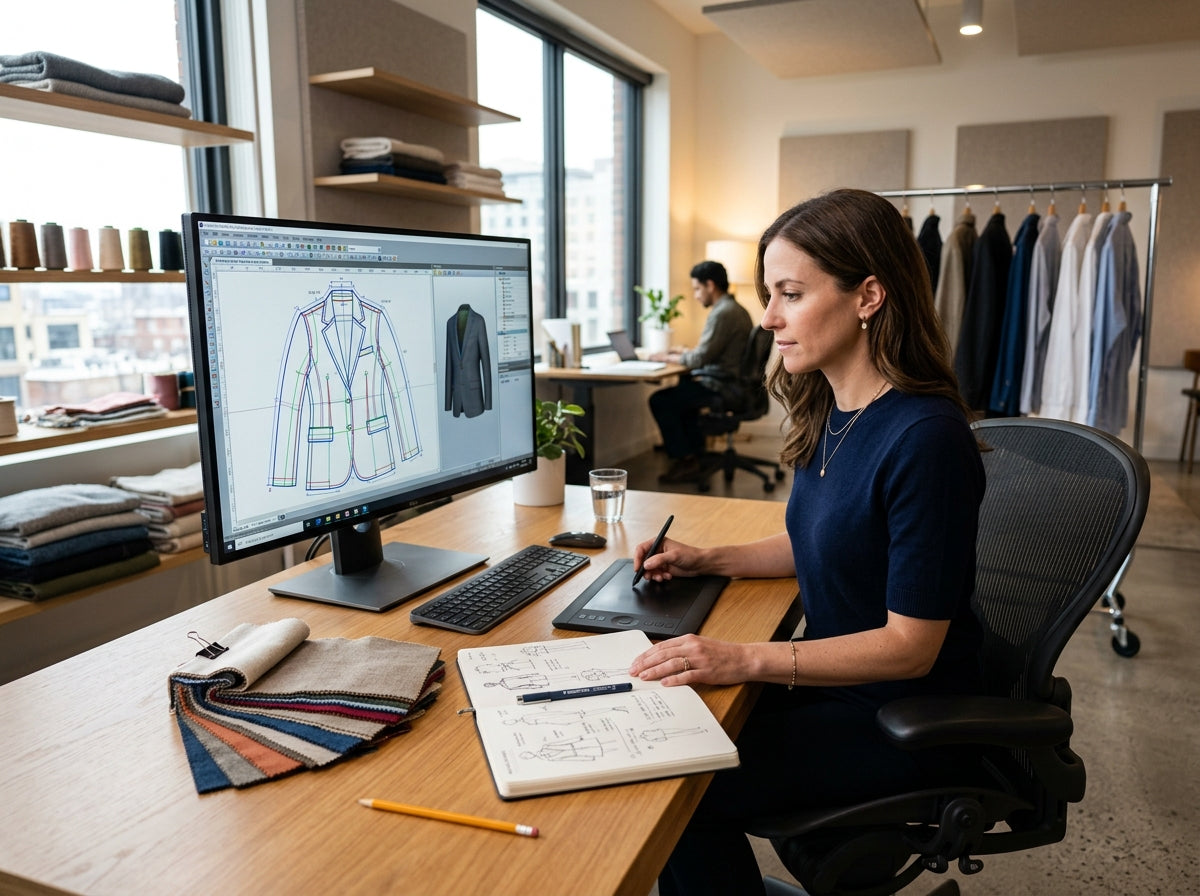
The design-and-quote phase is where a collection begins to become specific. MOMASONG describes digital pattern mockups as part of this stage. For a buyer, the most valuable output is not simply a polished visual; it is a shared reference that connects the creative idea to the garment being requested.
MOMASONG also offers custom OEM/ODM swimwear support, including custom prints, fabric options, private labels, and packaging. Treat those options as decisions to prioritize, not a checklist to maximize. A clear brand signature—perhaps a distinct print direction and a consistent label system—usually gives a young range more value than adding every possible customization.
Make sample review the most useful meeting in the project
Samples are where visual confidence meets handling. MOMASONG’s process calls for physical fit samples before revisions and approvals. Look beyond whether the garment photographs well.
Review the sample with the wearer and the retail journey in mind. Check how the neckline, sleeves, waistband, closures, and labels feel and function. Compare the artwork to the approved reference. Put the pieces together as they would appear in a store or product listing. If an item is intended to pair with another style, assess the pairing rather than each piece in isolation.
Keep feedback concise and traceable. One marked-up file or a numbered list of changes is easier to act on than scattered chat messages. Where a decision is still tentative, label it clearly as a question rather than an approval. This small discipline protects the relationship and reduces avoidable rework.
A practical approval habit: decide what “ready” means
Before approving a sample, write down the non-negotiables: approved artwork, fit feedback resolved, branding details confirmed, and the exact size information your team expects to use. MOMASONG’s size and fit guide can be a useful internal reference point, but final grading and fit decisions should always be reviewed for the specific product and market.
Keep bulk production connected to the original promise
Once a sample is approved, the project moves from exploration to repeatability. MOMASONG describes standardized sewing lines followed by multi-step checks for stitching, colorfastness, and sizing criteria. Keep the approved sample and specifications as the reference point for merchandising, sourcing, and marketing.
For a private-label brand, the handoff from product development to launch planning should happen before the final cartons arrive. Build product pages, confirm photography needs, and prepare the size and care information your customers will need. The manufacturing process should support that commercial work, not sit apart from it.
Why this process matters to your next collection
A well-run kids swimwear manufacturing process gives a small team something more valuable than speed: visibility. It lets you spot a loose decision while it is still easy to resolve, protect the details that define your brand, and create a range that a buyer can explain in one sentence.
The most compelling children’s swimwear collections are not assembled at the end. They are shaped through clear briefs, purposeful sample feedback, and approvals that connect design to the customer experience. That is the story worth building into every new season.
Frequently asked questions
What should I send for a custom kids swimwear inquiry?
Start with sketches, reference images, or a tech pack, plus the styles, intended size range, brand details, and questions your team needs answered. MOMASONG lists those early inputs in its OEM/ODM workflow.
When should a retailer review a swimwear sample?
Review it before bulk approval. Evaluate fit, artwork, comfort-related details, branding, and how the pieces work together as a collection.
Can private-label details be considered during development?
Yes. MOMASONG’s OEM/ODM page lists private labels and custom packaging among its customization options. Confirm the exact scope and approvals directly with the team.
Build your next range with clearer checkpoints
If you are planning a children’s swimwear collection, use the kids swimwear manufacturing process as a conversation guide: define the brief, make sample review meaningful, and keep the launch requirements visible from the start. Explore MOMASONG’s OEM/ODM process or contact the team to discuss the inputs for your next range.